
Mordialloc Beach Primary School
Foundation Learning Centre
Designed to replace the original 1970s asbestos-ridden building, this new Foundation Learning Centre delivers a contemporary and inspiring learning environment that supports the needs of young learners and their educators.
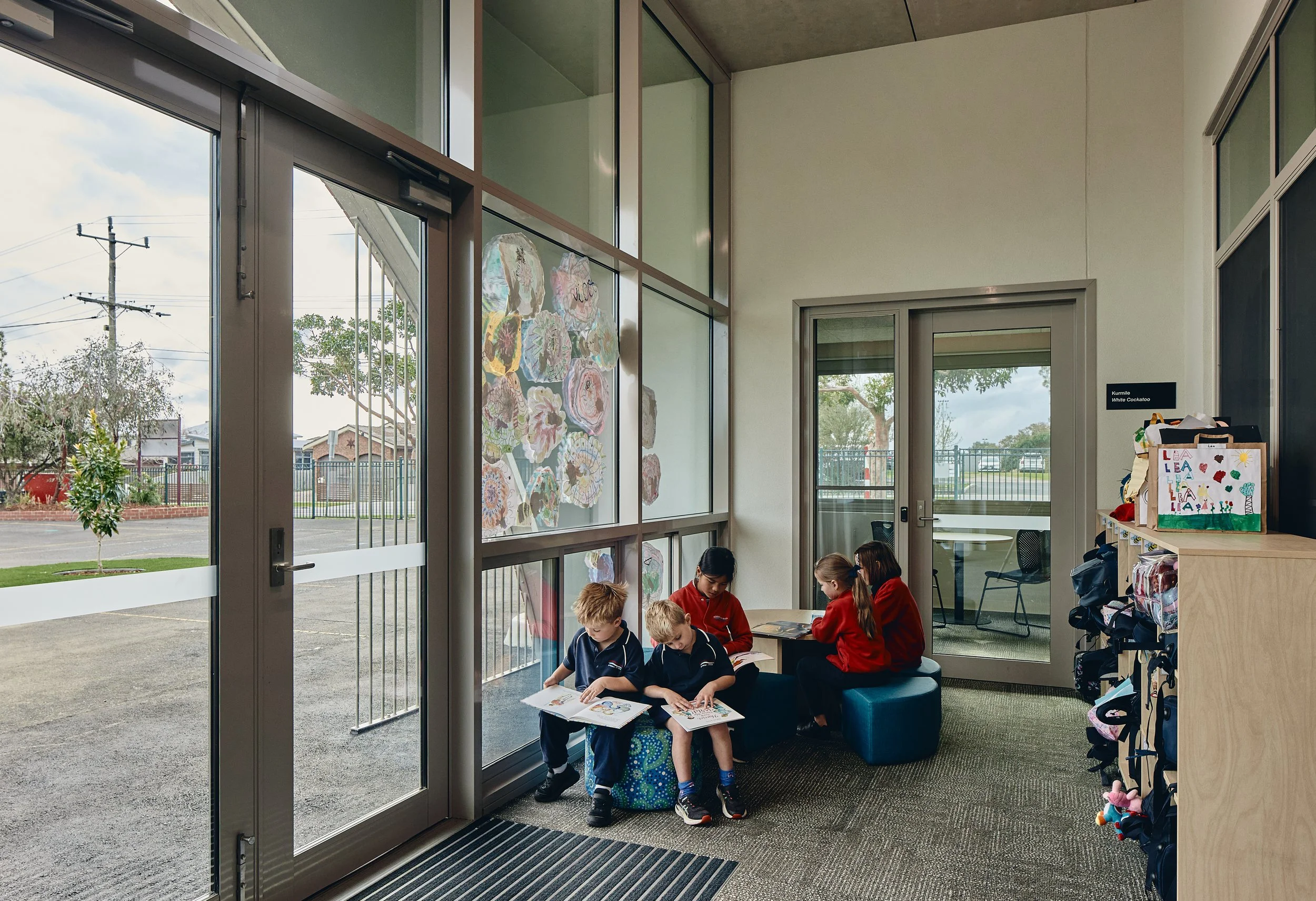
Thoughtfully designed in partnership with the VSBA to enable a broad range of learning modes, the new building features adaptable teaching spaces, with four classrooms that can be closed off for focused learning, or opened for teamwork and interaction, individual withdrawal spaces, informal circulation and breakout areas and staff work areas.
Accolades:
2026 Victorian Architecture Awards - Education - Finalist (In progress)
2025 Victoria School Design Awards - Best school project below $5 million - Finalist
Connection
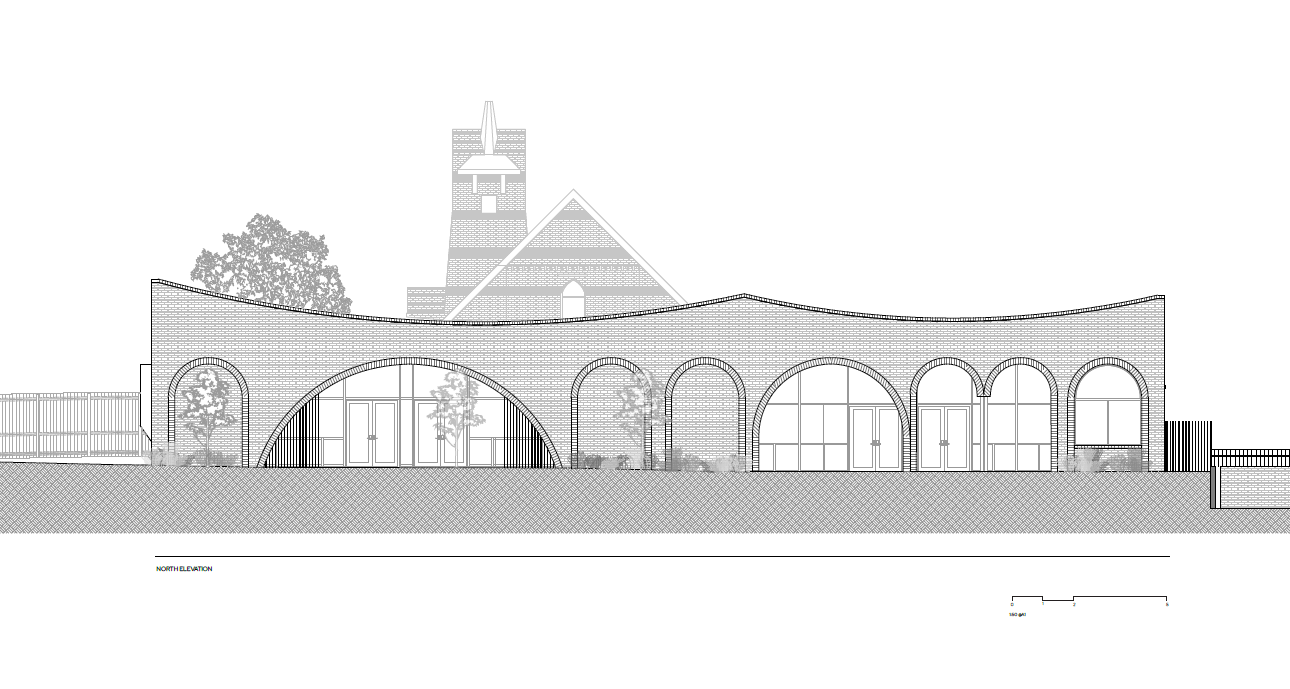
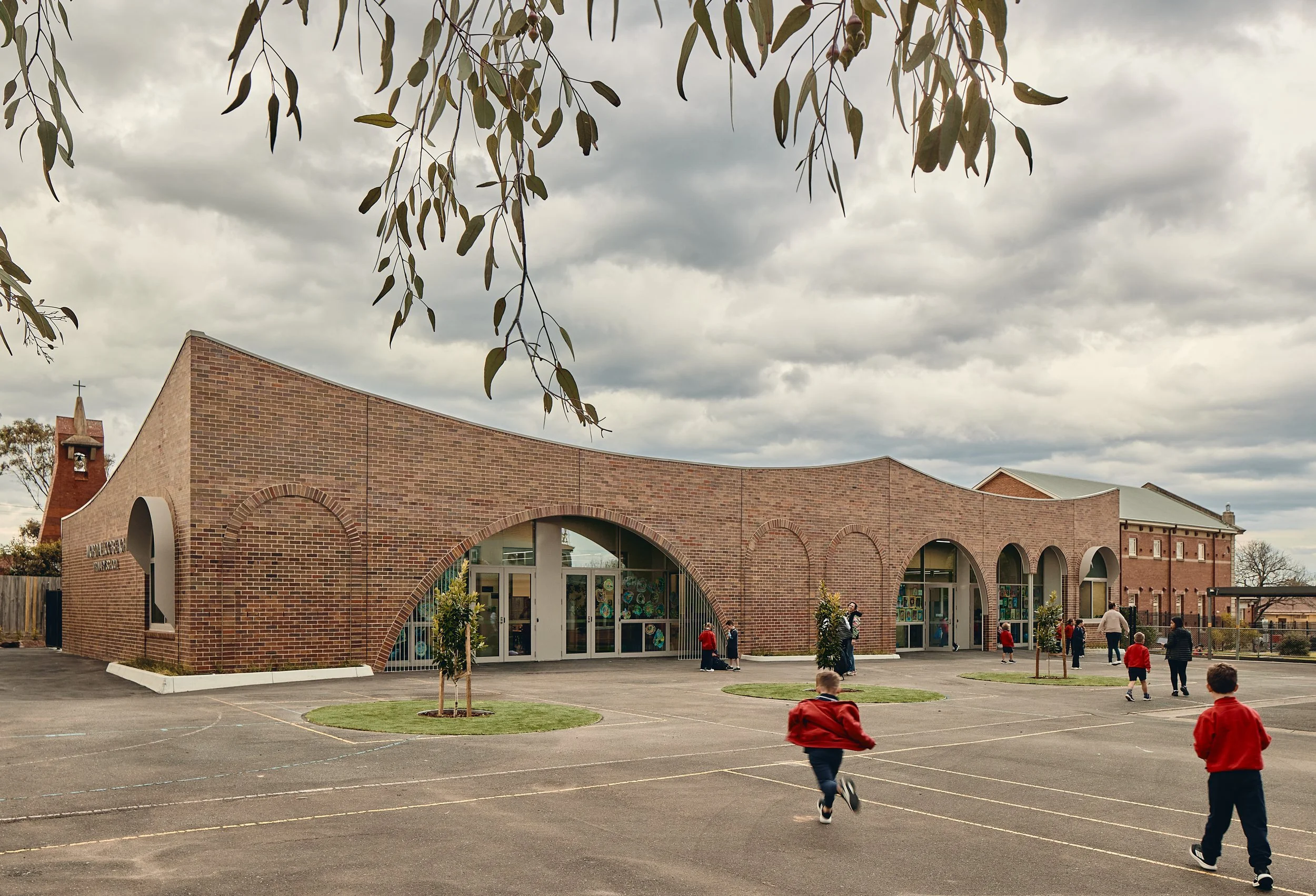
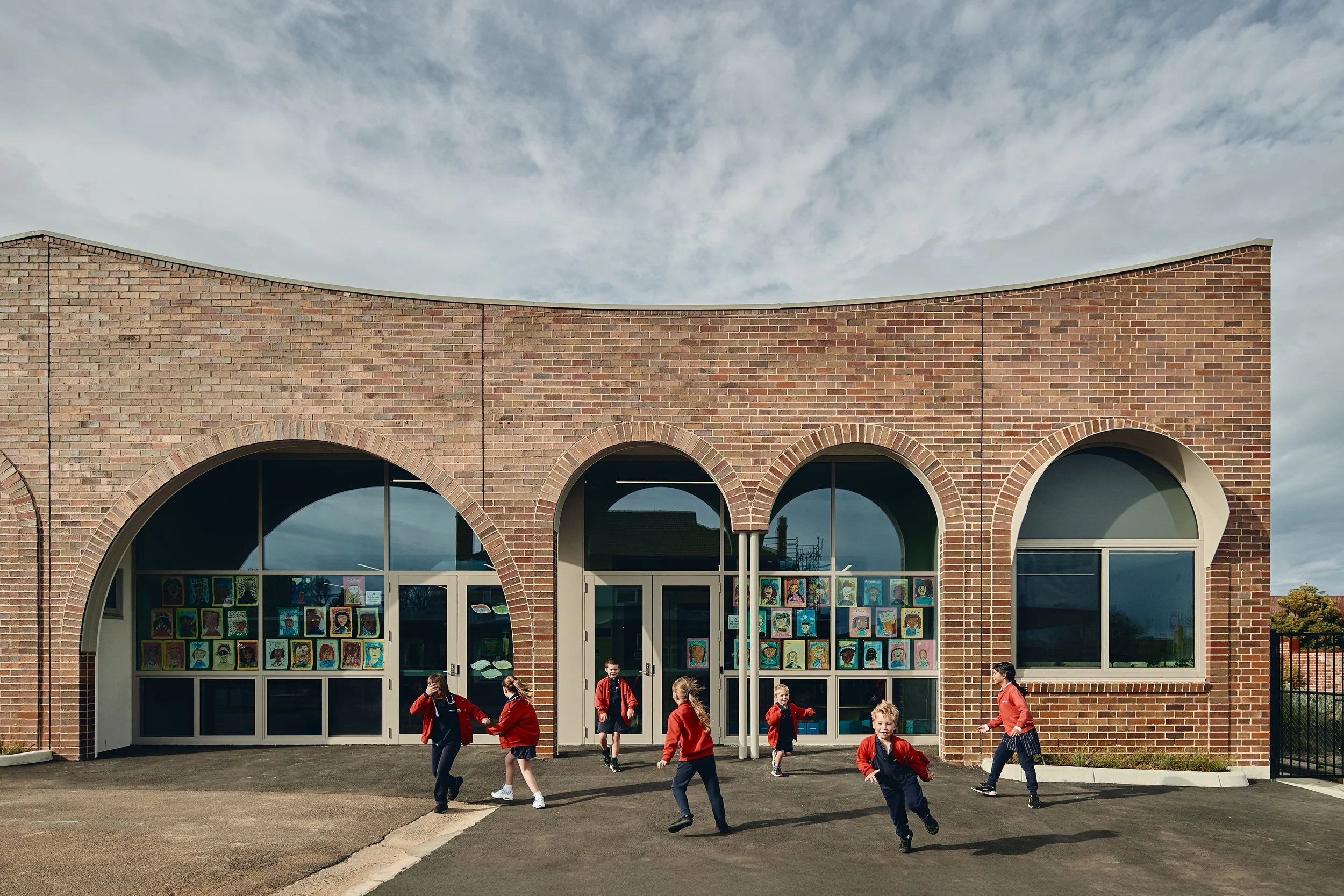
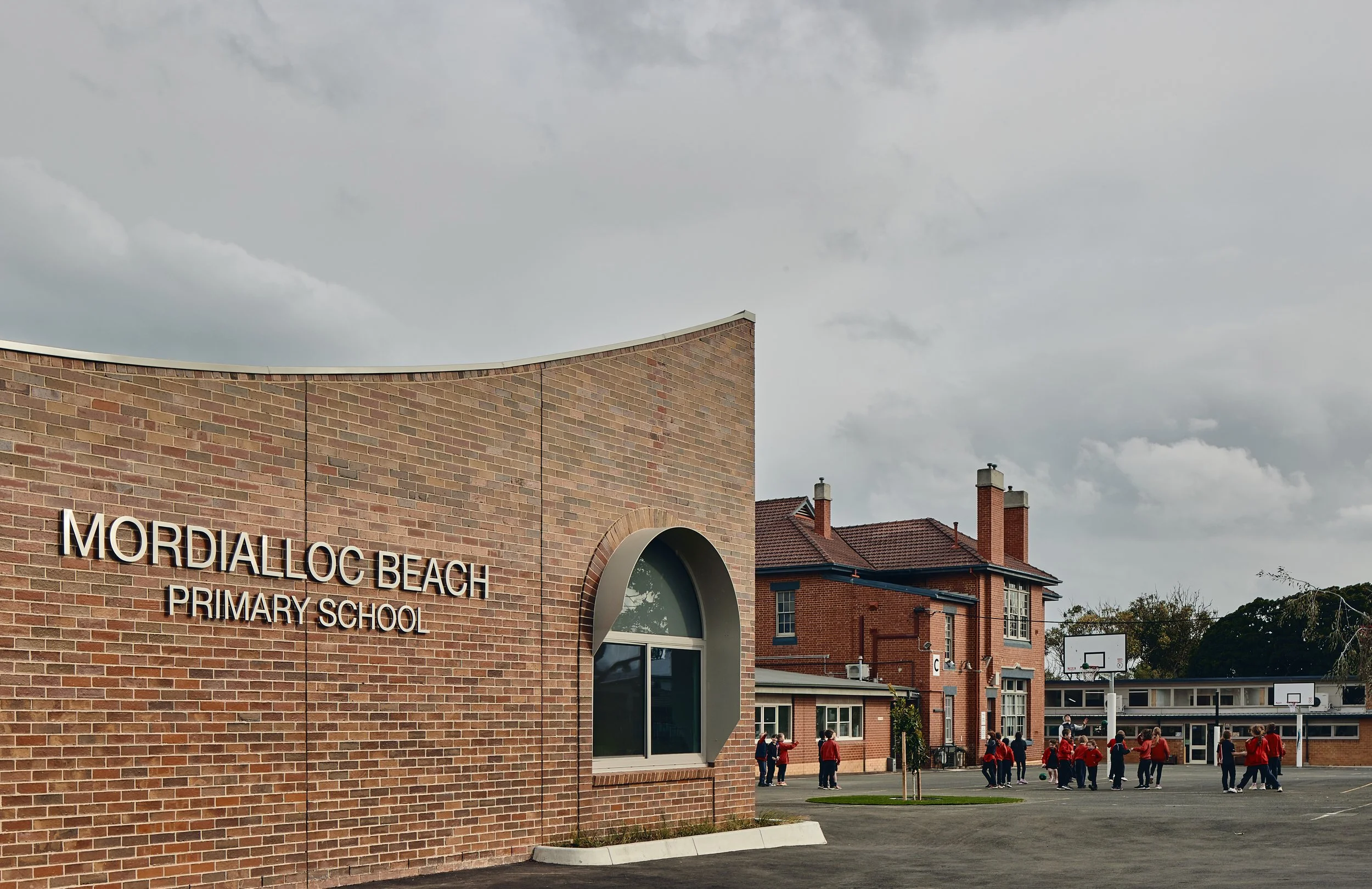
The arched form references the coastal context and connection of the School, anchoring it within its local identity.
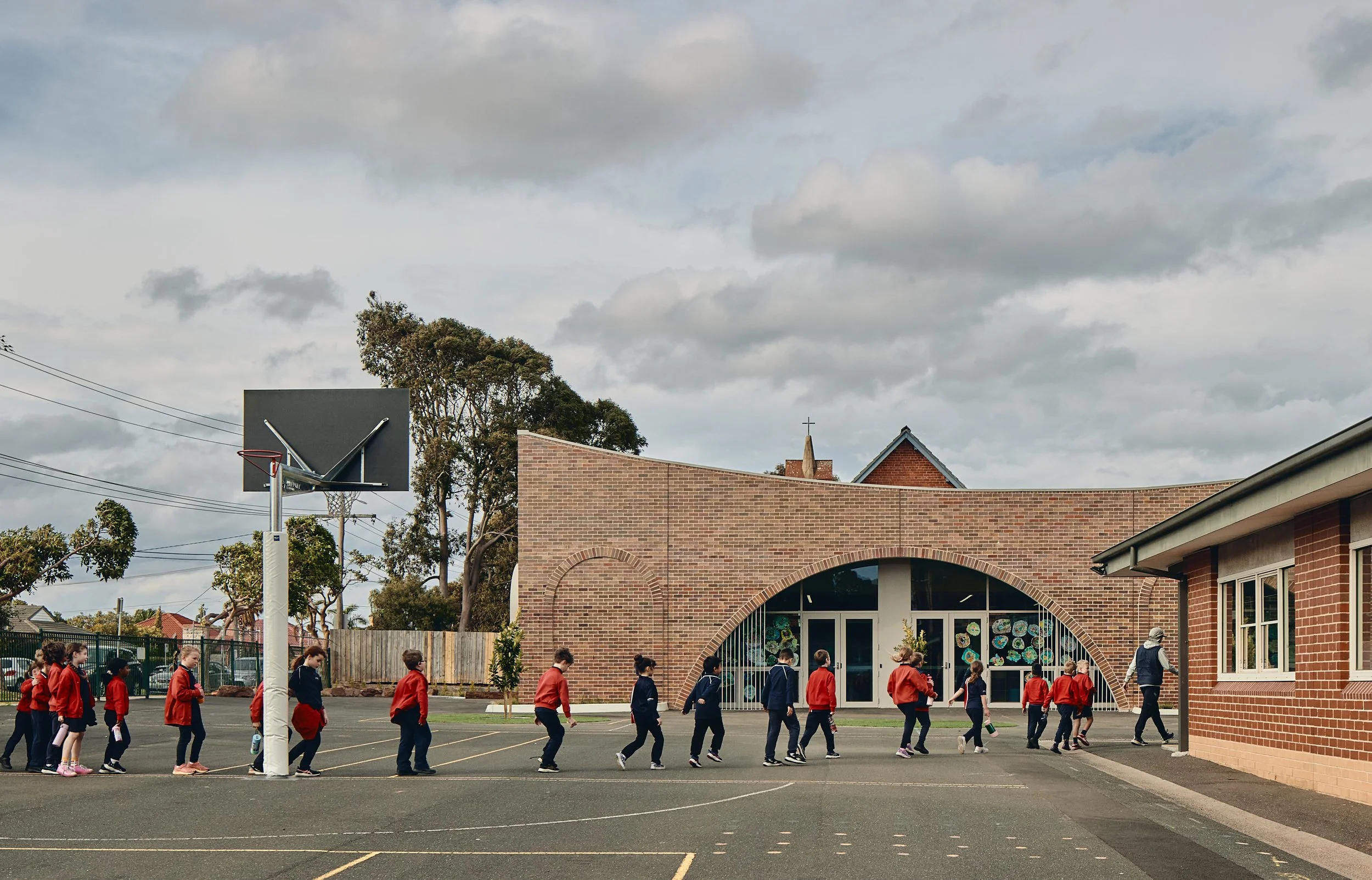
Through the sweeping archways of the brick façade, indoor learning areas connect seamlessly to outdoor play areas, allowing students to move fluidly between structured and play-based learning, supporting positive social interaction and encouraging imagination, key to early childhood development.
Natural shapes, light + space
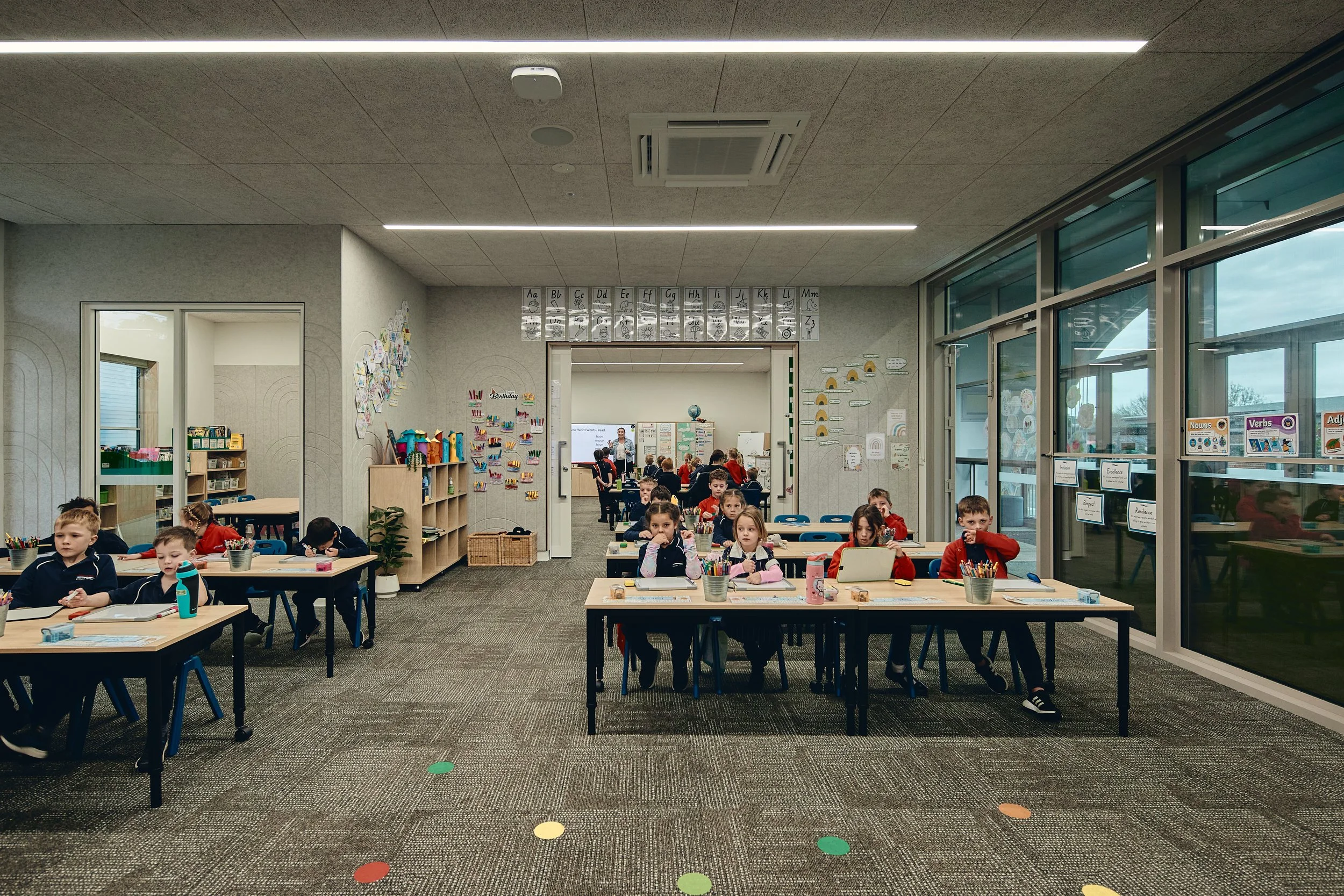
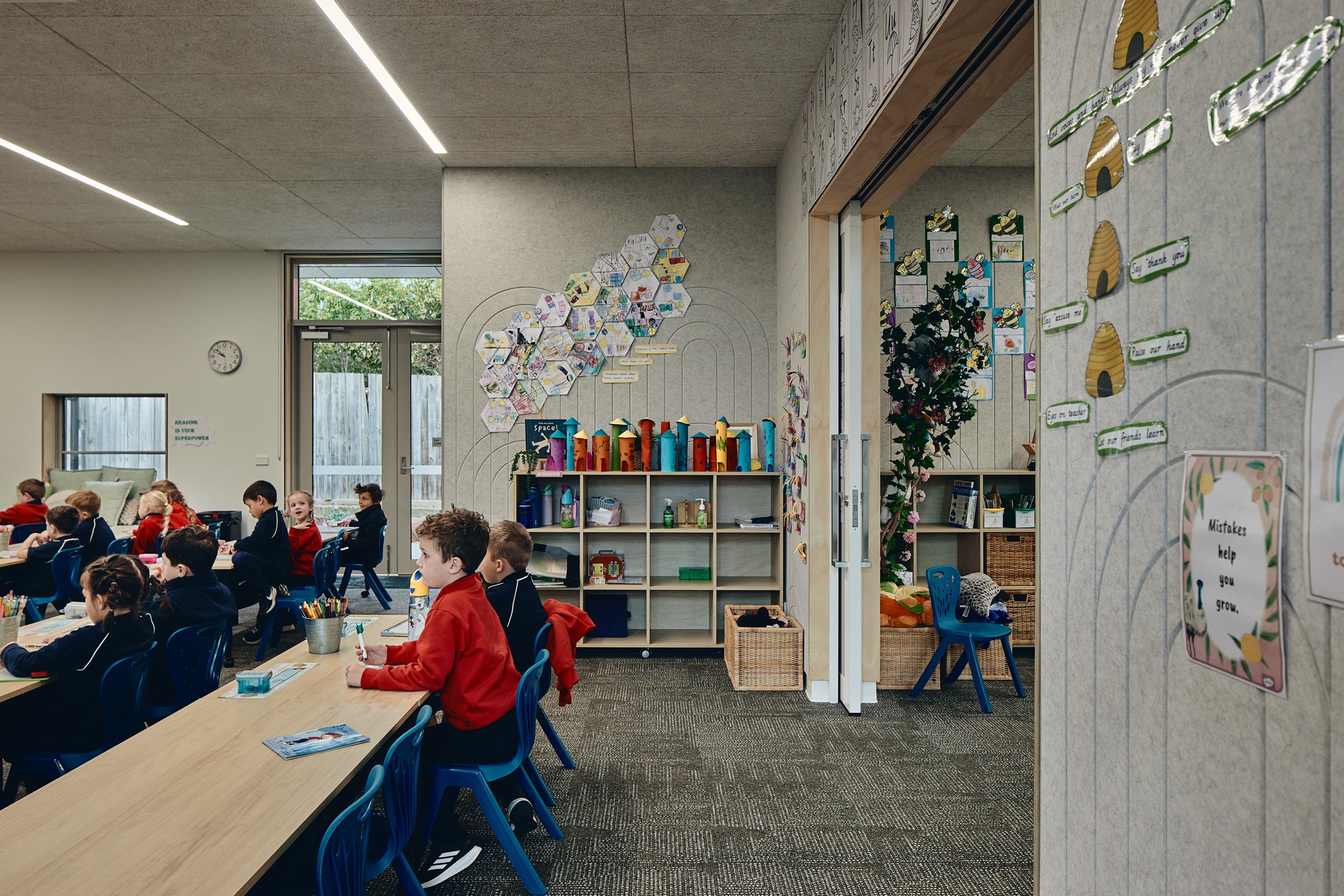
Natural shapes, forms and tactile materials are woven into the interior design to soften and enliven the space. Light and space are optimised through careful placement of deep-set arched openings to create connection, enclosure and shade, while responding to the site orientation to achieve cross ventilation and connection to outdoor spaces.
A talking point
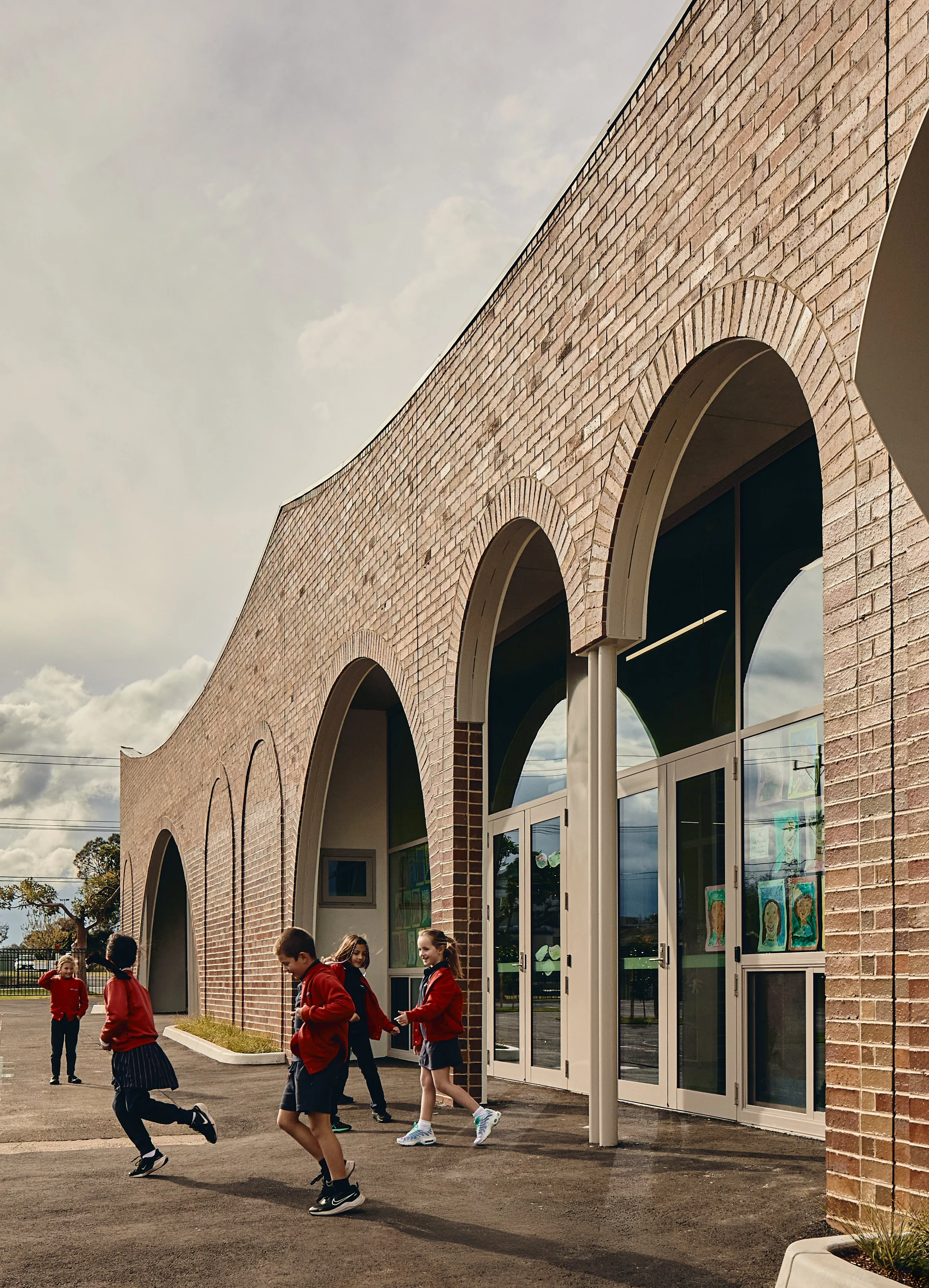
The eastern facade with prominent street frontage presents a striking identity for the School through the distinctive rhythm of the arched brickwork and sculptural form, while the gently undulating and dynamic roofline softens the building's mass and responds to the playful energy of its young users.
"The new building exemplifies how architectural design can be a direct response to a community's shared educational vision. From the early stages of the project, the Principal, Staff, and Foundation team collaborated with architects to prioritise functionality, beauty, and longevity.
Perhaps most powerfully, the structure has become a talking point in the curriculum itself. Students explore its geometry in maths, its environmental footprint in science, and its historical and cultural design references in art and humanities. The school now sees its physical environment not only as a setting for learning but as a dynamic teaching tool in itself."
~ Sue Leighton-Janse, School Principal